India’s Design Law to Get a Makeover: Key Proposals Explained
With a view to aligning India’s design law with global best practices, a set of amendments to the Designs Act, 2000, has been proposed, as outlined in DPIIT’s concept note.

With a view to aligning India’s design law with global best practices, a set of amendments to the Designs Act, 2000, has been proposed, as outlined in DPIIT’s concept note.

Our latest blog post presents a structured breakdown of the provisions that form India’s new digital privacy framework.

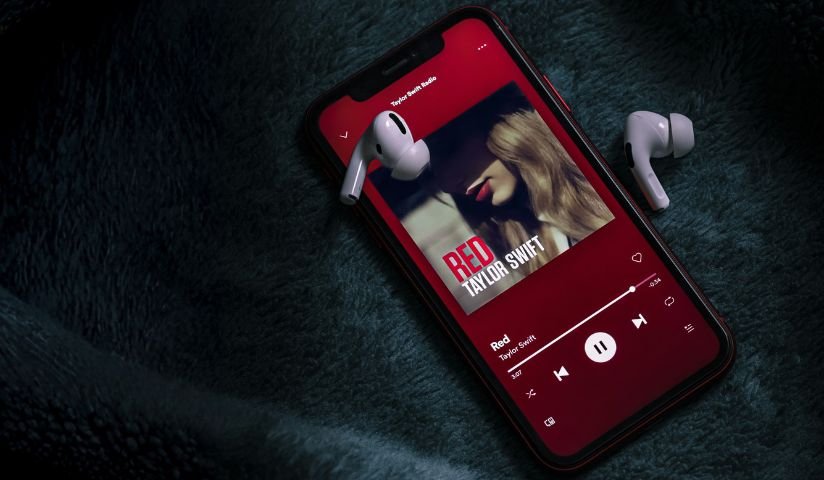
This blog post explores how copyright law and contractual terms paved the way for Taylor Swift’s re-recordings.

We decode the do’s and don’ts for organisations that play music at the workplace, something many don’t realise amounts to public performance.

In this piece, we trace the key developments leading to the enactment of the new online gaming law, examine its main features, and explore the regulatory dilemmas it raises.

We examine the significance of the Securities Appellate Tribunal’s ruling in V. Shankar v. SEBI, which serves as a valuable reminder of the scope of a compliance officer’s role.

This blog post explores the uncertainty around the interpretation and enforcement of provisions pertaining to the registration of copyright societies.

WIPO’s Inventor Assistance Program plays a vital role in bridging the gap between innovation and access to patent protection, particularly for under-resourced inventors and small enterprises in developing countries.

We explore the recent compliance-related changes to the labelling requirements for batteries and plastic packaging that producers need to be aware of.

While the DPDP Act establishes a solid framework for regulating personal data protection, there is a pressing need to tackle the growing problem of illegal data exploitation.
The Bar Council of India does not permit advertisement or solicitation by advocates in any form or manner.
This website is meant solely for the purpose of providing general information and not for advertising or soliciting any work whether directly or indirectly. By accessing this website, www.foxmandal.in, you acknowledge and confirm that you are seeking information relating to Fox Mandal of your own accord. Further, any content provided in this website should not be construed as legal advice. We disclaim all liability for any consequences of any action taken by the user relying on content provided on the website.
By clicking on the “I Accept” button, the user acknowledges that:
To learn more about how we use cookies, please read our Privacy Policy